
Rescue organisation of stray cats and dogs.


📢 🚨 WE HAVE A NEW DROP OFF ADDRESS FOR DONATIONS 🐕 🐕 🐈 🐈
As of THURSDAY the 15th of February 2024 there will be a new info for you to drop off donations at Marinai.
Schedule for drop off donations for SAWS:
Donations are accepted every Wednesday and Thursday at
2422C Via del Limone (Marinai).
Donations can be left underneath the carport by the shed. But be sure to leave a walk way to the door, please!
If you miss us, please send us a message on our Facebook.
We gladly take: food, treats, crates and kennels, litter boxes, blankets, treats, towels, leashes, collars, toys, feeding bowls, etc., basically anything you might have to help us help them.
But please: As a gentle reminder, we do ask to make sure the used donations are appropriately cleaned, useable and intact.
We do not accept: clothing or household items.
Thank you in advance for your enormous help and generosity for our furry friends.

Some of our much appreciated board members have now left and we are in great need of new board members.
The stray cats and dogs around Naval Air Station Sigonella needs YOU to volunteer for a good cause 🐾
At this point SAWS – Sigonella Animal Welfare Society is looking for
✳️ ADOPTION & FOSTER Coordinator
✳️ ADOPTION & FOSTER Coordinator Assistant
✳️ COMMUNICATIONS Officer 1
✳️ Secondary COMMUNICATIONS Officer
✳️ SECRETARY
🌀 About the Adoption & Foster Coordinator
The Foster and Adoption Coordinator anticipates the needs of SAWS fosters, works closely with the supply coordinator to ensure fosters receive all supplies needed to care for their foster pets, maintains all foster agreements and assist with vet visits.
This board member oversees communication with the potential adopters, ensures all adoption agreements are properly filled out, verifies payment of adoption fees, and conducts wellness checks.
🌀 About the Adoption & Foster Coordinator assistant
The Adoption & Foster Coordinator Assistant works closely with the Adoption & Foster Coordinator and helps with tasks mentioned the above.
🌀 About the Communications Officer
The Comms. Officer works closely with the Comms. Team Lead to manage all social media accounts belonging to SAWS. This includes, but is not limited to, answering messages.
The Comms Officer must actively promote positive community relations and take marketable photos at events. Actively market adoptable animals via all available channels is required, like posting urgent emergency posts and sharing courtesy posts.
🌀 About the Secondary Comms. Officer
The Secondary Communications Officer will assist in managing all social media accounts belonging to SAWS. This includes, but is not limited to, answering messages, and posting on behalf of SAWS on Facebook and Instagram.
🌀 About the Secretary
The Secretary schedules meetings via Zoom, maintains and distributes meeting minutes to all board members, and uploads files to our shared drive. Amongst others, this member will also conduct quarterly audits of funds, and assist the Event Coordinator as needed.
🐾🐾🐾🐾🐾🐾🐾🐾🐾🐾🐾🐾🐾
You will of course get volunteer hours for helping.
Please send us a message telling a bit about yourself and which position you can see yourself in – and why. We are looking forward to hearing from you.
➡️ Note: All board members must have full access to NAS 1, NAS 2 and Marinai.
At SAWS we stand shoulder to shoulder, giving our very best to help aid the stray animals around base, rescuing the pets we can – with the fosters we have in hand, sharing pet-related knowledge, and acting as a liaison network for those who rescue, foster, and adopt stray animals. If you’d like to help the Sigonella community, meet likeminded people and be part of a dedicated team that help the strays, this is your chance to do so!!
READY? SET – GO… write us a PM or send us a mail on info@pawsofsaws.org 📬

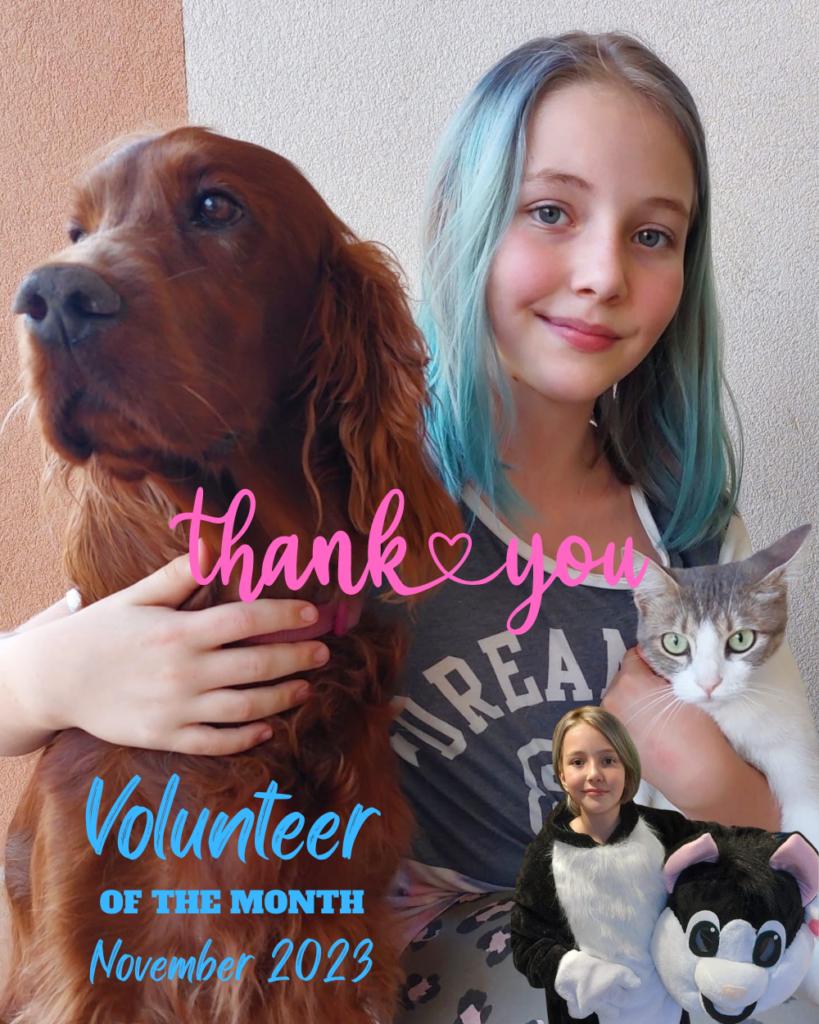

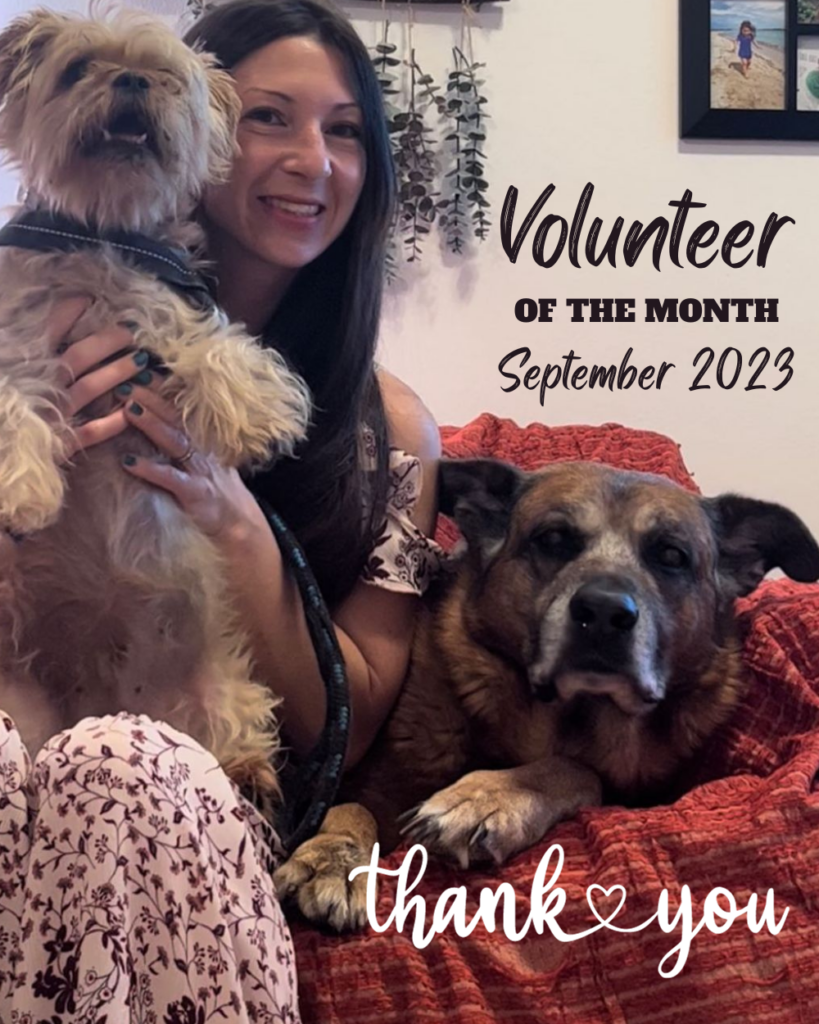
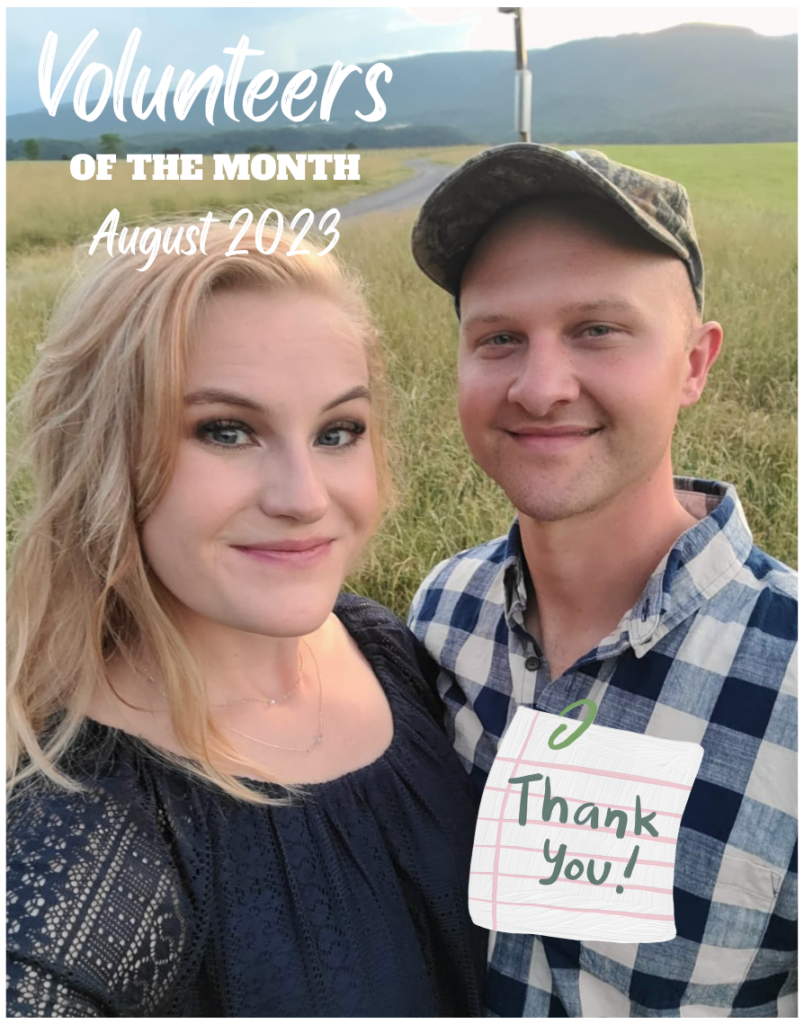
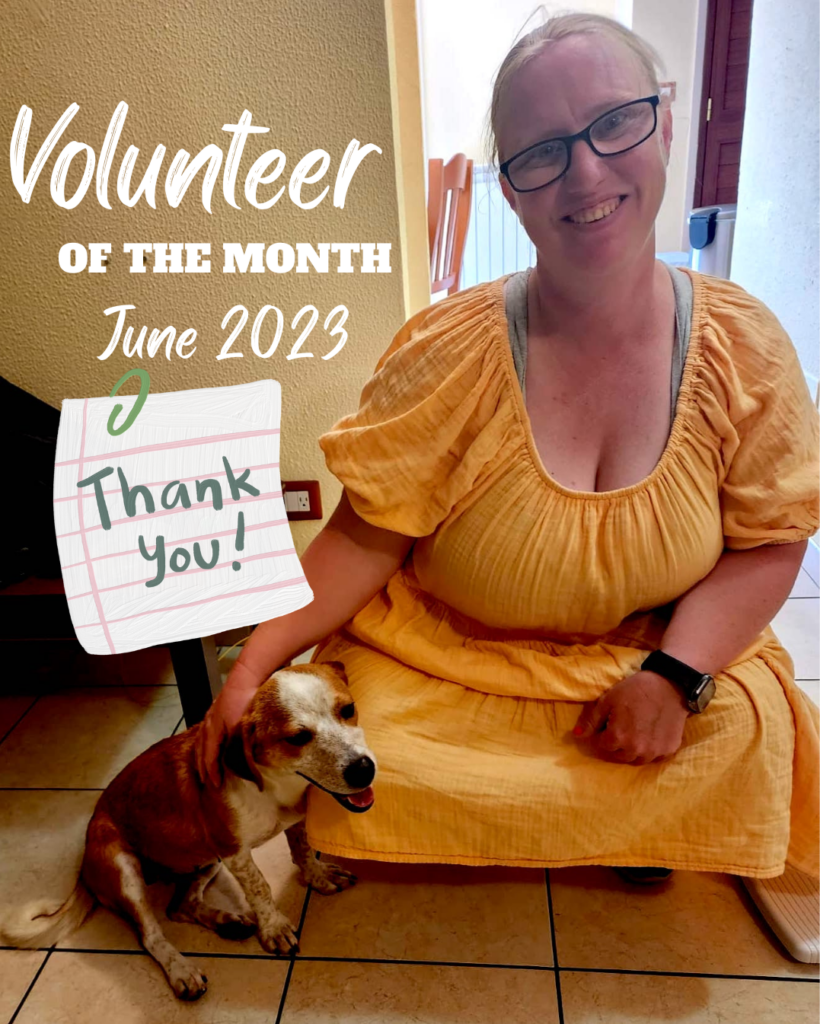
We love our fosters ❤️ They are the cornerstones for our rescues to prepare them for a new life in their future furever homes.
Do you know, that when we find an abandoned or stray animal in the triangle, our hands are tied until we have found a foster, who can take in the cat or dog? As long as we have no volunteers, there can be no rescues 🥺 And that makes us sad, because we so badly want to help the strays.
We have updated our foster agreement which means ALL new fosters will have the opportunity to receive a small stipend. If you’re interested in helping us take care of our rescues, please contact us for full details.
What does a foster do❓
A foster provide the SAWS rescues with LOVE, FOOD (that we provide, of course) and WALKS (mainly our dogs 😆). The rescues need to learn normal house rules, potty training, maybe crate training and – very importantly – they need to learn to trust and socialize ❤️
Our fosters are indispensable and impossible to do without and are truly highly valued, and they are often passionate about giving the rescues the best start of their new lives❗️
We need you❗️
We do NOT have enough volunteers to help us with this task. It is an amazing experience for most fosters – and a very important job for the rescues. It is actually one of the most important tasks, since it is in the foster’s care, that the animals learn to be part of a family – to be a trusted friend.
Please step forward – we know you are out there and we know you can do this. We are right behind you in every step you take in becoming a great foster. We will provide training and everything you need to be the best foster, you can possibly be.
We are looking forward to hear from you. Please fill out the foster application, if you are interested in helping our rescues.
If you have any questions, you are welcome to contact us on email: info@pawsofsaws.org or via Facebook PM.
Thank you 🙏
on behalf of the SAWS rescue animals
The stray cats and dogs around Naval Air Station Sigonella need YOU to volunteer for a good cause 🐾 🐶 SAWS – Sigonella Animal Welfare Society is looking for a special volunteer at this point 🐱
✅ SoMe “INTERNSHIP” (not a board member) ✅
Here you have an excellent opportunity to beef up your college application! SAWS is willing to help you do that through an internship. Here you can work on your SoMe skills, earn volunteer hours and help us do a good cause.
This – an internship at SAWS – will be a win-win situation for you and for SAWS, who needs help with our Social Media.
As our SoMe “intern” you will help our Communication Team Lead with posts on our Social Media (for example courtesy posts, urgent posts, events and pets up for adoption). Facebook is where we have our main network, and we want to grow Instagram as well.
You are comfortable in working/navigating on Facebook (Meta Business Suite) and Instagram, and you are good at working with pictures and video. Help us create amazing posts, reels, stories from pictures, videos and your magic words 😊
READY? SET – GO… write us a PM on Facebook or send us a mail on info@pawsofsaws.org. Tell us who you are and why you would like to work with us and how. Tell us, why you are the right intern for SAWS.
We are looking forward to telling you more about this internship 😁


Unfortunately we have had an incident of Canine Parvovirus in one of our rescues.
For that reason we want to inform you about what the source of infection is and what the symptoms are.

This virus is highly contagious and spreads through direct contact with an infected dog or by indirect contact with a contaminated object.
Your puppy is exposed to the parvovirus every time he sniffs, licks, or consumes infected feces. Indirect transmission occurs when a person who has recently been exposed to an infected dog touches your puppy, or when a puppy encounters a contaminated object, like a food or water bowl, collars and leashes, and the hands and clothing of people who handle infected dogs.
Parvovirus causes severe life threatening diarrhea, often bloody. If left untreated, the mortality rate can exceed 90%, with death occurring within 48 – 72 hours after the onset of symptoms.

How Parvo Spreads to Dogs:
Veterinary experts agree that virtually all of the world’s dogs have been exposed to canine parvovirus. The virus begins to “shed,” or be excreted by a dog, three to four days following his exposure to the virus, often before clinical signs of the infection have appeared. The virus is also shed in huge amounts from infected dogs in their feces for 7-10 days; a single ounce of fecal matter from a parvo-infected dog contains 35,000,000 units of the virus, and only 1,000 are needed to cause infection.
In addition, the virus can be carried on shoes, tires, people, animals (including insects and rodents), and many mobile surfaces, including wind and water. Because it is difficult to remove from the environment and because infected dogs shed the virus in such profusion, Parvovirus can spread not only to veterinary clinic, grooming salon, and obedience school, but every street, park, house, school, shopping mall, airplane, bus, and office in the world.
While a dog that is diagnosed with Parvovirus will be quickly isolated by his veterinarian and his recent environment will be cleaned and disinfected, some infected dogs have such minor symptoms that no one realizes they are ill. Infected dogs, with or without symptoms, shed the virus for about two weeks. If conditions are right, the virus can survive for up to six months. Although Parvovirus is destroyed by sunlight, steam, diluted chlorine bleach, and other disinfectants, sterile environments can be quickly reinfected.
Parvovirus symptoms to watch for:
Here are the signs of Parvovirus, you should not ignore if you suspect your dog has been exposed. It is important to remember that most parvovirus deaths occur within 48 and 72 hours following a dog showing clinical signs.
Canine Parvovirus Medical Treatment
Most veterinarians treat Parvovirus with intravenous fluids and antibiotics. In addition, treatment may include balancing the blood sugar, intravenous electrolytes, intravenous nourishment, and an antiemetic injection to reduce nausea and vomiting. None of these treatments “cure” the disease or kill the virus; they are supportive therapies that help stabilize the dog long enough for his immune system to begin counteracting the virus.
—
PLEASE be aware of your dog – and please take care of your 4-legged furry best friend ❤️
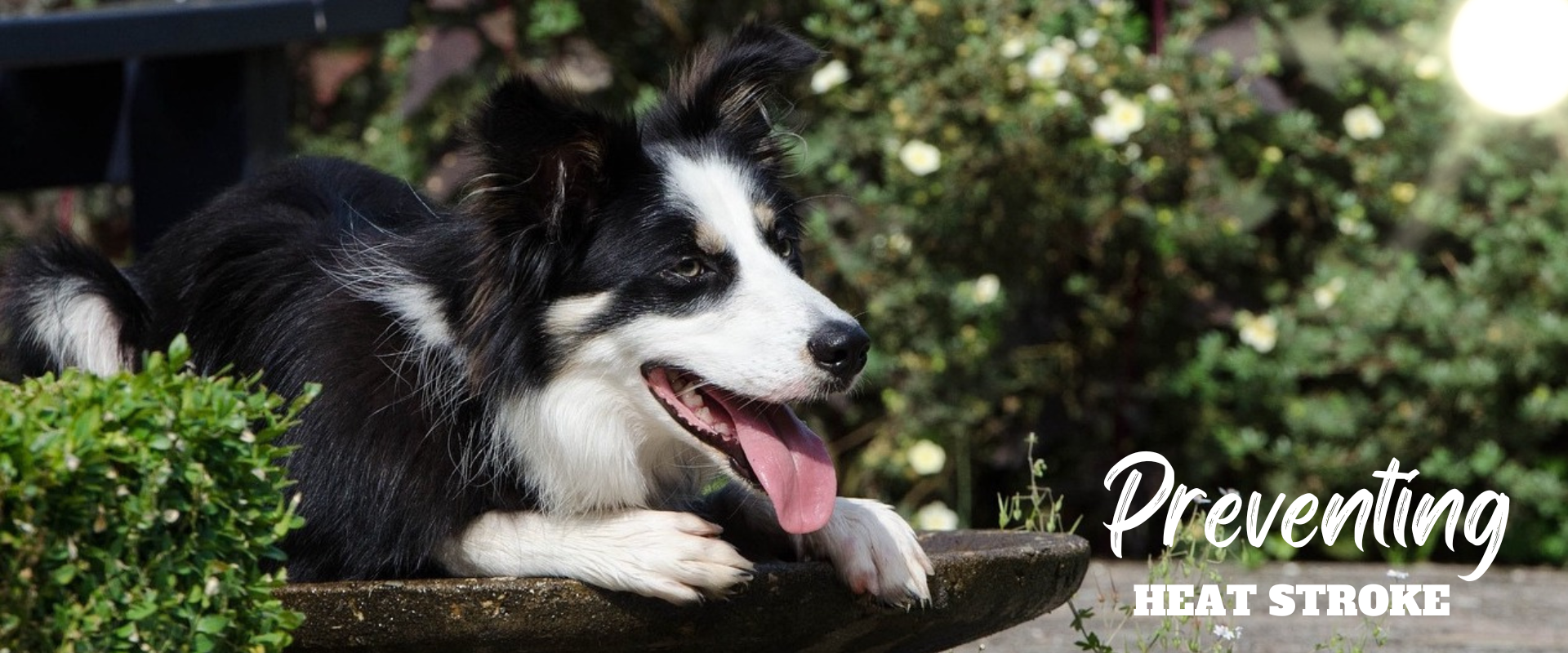
We know for a fact, that the Sicilian summer can be relentless. And while we try to deal with the heat ourselves, it is more difficult with the animals. Because when is our best friend too hot? When does it become critical? And best of all – how do we best help our best friend through the summer?
Here’s the best suggestion from SAWS about:
WALKS, WATER, ENERGY, CAR – AND HEAT STROKE
Walk your dog EARLY and LATE – before it gets too hot and after the sun goes down. Surfaces warm up more than we think, and therefore be mindful of the weather when planning a walk at other times. Watch where you go and take regular breaks in the shade. Make sure, that your dog is not walking the steaming hot pavement. Check how hot it is by placing the palm of your hand on the pavement.
Your dog does not have shoes on like you do and can’t protect its feet. And believe us when we tell you, that your dog will not tell you it’s too hot, but it will suffer!
A good suggestion would be to buy your best friend some shoes to protect its feet, like you would protect your own <3
Search Google for “Scarpe per cani”.
Always be sure, your dog has water – always of course – but more often in the summer. Make sure, there is always plenty of water in the bowl and maybe even an extra bowl for when you are not home.
Bring water, when you go for walks, even if it’s just a walk of 10-15 minutes. Suddenly you can see your dog panting and maybe doesn’t want to continue walking, and you will be happy to be able to offer your dog some water.
You can bring a small bottle and a small collapsible water bowl with a carabine to hang on the leash or on your jacket or bag. Want to go fancy on it, look for a ”portable water bottle”.
When you are not able to run/walk your dog as usual, you might want to help use the energy in a different way. Your dog might quickly get a bit bored when not using up the mental and physical energy as usual. Choose activities less strenuous, like getting toys and treats that can be hidden for the dog – or maybe even better – take advantage of the situation and spend some time training your dog indoors. Lots of commands and training can take place indoor, and if you stimulate your dog mentally, you will win big time, when the summer is over. And your dog will not be bored while learning. You could hide treats an train your dog in finding them.
You could also make great dog treats on frozen lick mats or in a Kong toy, and even get some good healthy stuff in your dog this way. It could also be activity flip boards that will stimulate your dog in finding treats.
Just make sure that the activities you choose are calm and out of the heat.
It can be fatal to leave any pet alone in a hot car. Even in the shade with the windows open, they can become uncomfortable and develop heat stroke very quickly.
Always make sure you have a plan, so your dog doesn’t have to be left alone in the car or in any other enclosed spaces. If you see a dog in a hot car, act on it!
If you do have to travel with your dog in the car on a hot day, make sure that you use shade covers on the windows to avoid direct sun on them whilst you are travelling. Keep the temperature in the car down, also where the dog is!
If possible, cool your car down and have the air conditioning on even before putting your dog in. Try to choose the cooler times of day to travel with your dog. There might also be less traffic then, so you don’t get stuck for long periods of time. Ensure your dog has access to water throughout the journey – there are some great non-splash travel bowls available on the market.
And now for the more serious issue: Looking out for signs of heat stroke!

A heat stroke is a potentially fatal condition, where the core body temperature rises to a dangerous level. If not treated quickly, a dog may have seizures and die.
Cats too can be affected by heat stroke, but they’re better able to escape the heat and can move into a shady tree to cool down.
Any dog can develop heatstroke, but overweight, young, elderly, flat-faced, giant-breed, and thick-coated dogs are particularly at risk, even from just sitting out in hot weather.
If you think your dog has heatstroke, you need to ACT FAST. Make sure you contact your vet immediately.