
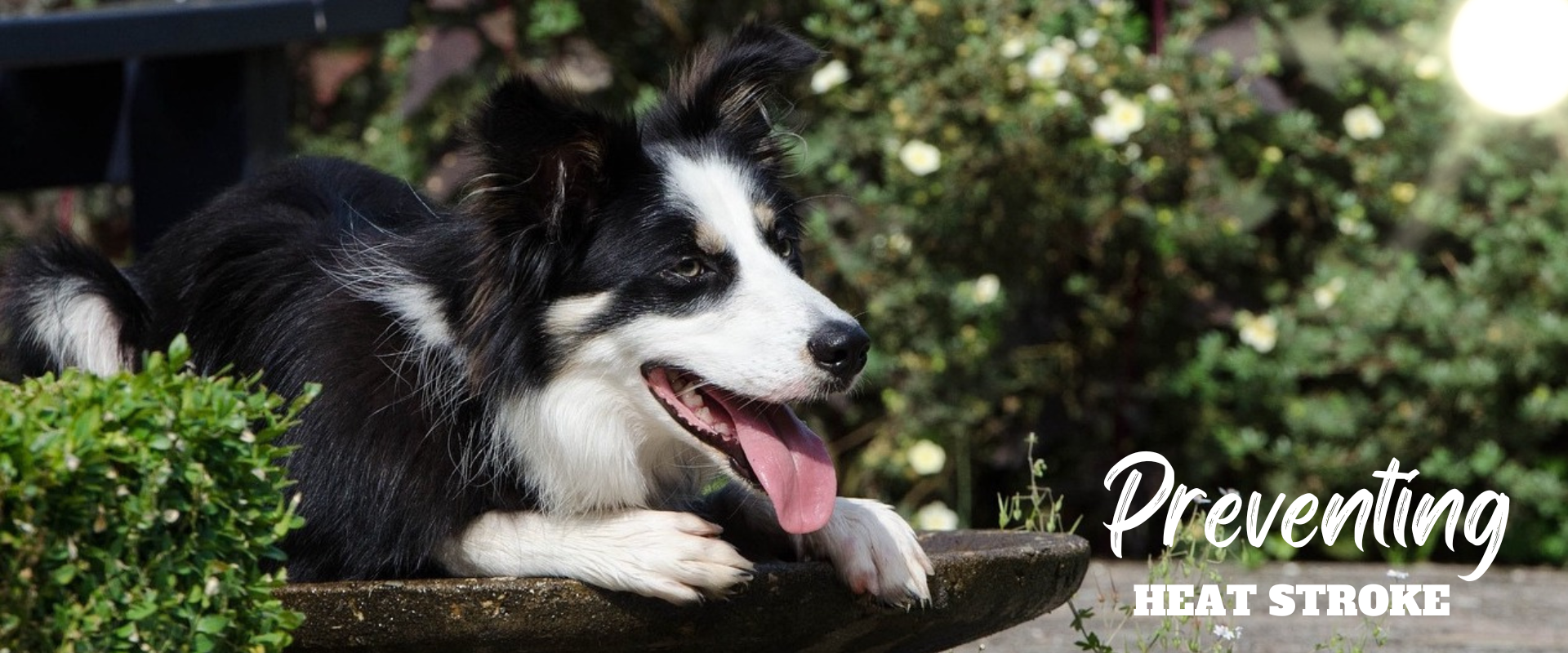
We know for a fact, that the Sicilian summer can be relentless. And while we try to deal with the heat ourselves, it is more difficult with the animals. Because when is our best friend too hot? When does it become critical? And best of all – how do we best help our best friend through the summer?
Here’s the best suggestion from SAWS about:
WALKS, WATER, ENERGY, CAR – AND HEAT STROKE
Walks
Walk your dog EARLY and LATE – before it gets too hot and after the sun goes down. Surfaces warm up more than we think, and therefore be mindful of the weather when planning a walk at other times. Watch where you go and take regular breaks in the shade. Make sure, that your dog is not walking the steaming hot pavement. Check how hot it is by placing the palm of your hand on the pavement.
Your dog does not have shoes on like you do and can’t protect its feet. And believe us when we tell you, that your dog will not tell you it’s too hot, but it will suffer!
A good suggestion would be to buy your best friend some shoes to protect its feet, like you would protect your own <3
Search Google for “Scarpe per cani”.
Water
Always be sure, your dog has water – always of course – but more often in the summer. Make sure, there is always plenty of water in the bowl and maybe even an extra bowl for when you are not home.
Bring water, when you go for walks, even if it’s just a walk of 10-15 minutes. Suddenly you can see your dog panting and maybe doesn’t want to continue walking, and you will be happy to be able to offer your dog some water.
You can bring a small bottle and a small collapsible water bowl with a carabine to hang on the leash or on your jacket or bag. Want to go fancy on it, look for a ”portable water bottle”.
Use up your dog’s energy in different ways
When you are not able to run/walk your dog as usual, you might want to help use the energy in a different way. Your dog might quickly get a bit bored when not using up the mental and physical energy as usual. Choose activities less strenuous, like getting toys and treats that can be hidden for the dog – or maybe even better – take advantage of the situation and spend some time training your dog indoors. Lots of commands and training can take place indoor, and if you stimulate your dog mentally, you will win big time, when the summer is over. And your dog will not be bored while learning. You could hide treats an train your dog in finding them.
You could also make great dog treats on frozen lick mats or in a Kong toy, and even get some good healthy stuff in your dog this way. It could also be activity flip boards that will stimulate your dog in finding treats.
Just make sure that the activities you choose are calm and out of the heat.
Never leave your dog in the car
It can be fatal to leave any pet alone in a hot car. Even in the shade with the windows open, they can become uncomfortable and develop heat stroke very quickly.
Always make sure you have a plan, so your dog doesn’t have to be left alone in the car or in any other enclosed spaces. If you see a dog in a hot car, act on it!
If you do have to travel with your dog in the car on a hot day, make sure that you use shade covers on the windows to avoid direct sun on them whilst you are travelling. Keep the temperature in the car down, also where the dog is!
If possible, cool your car down and have the air conditioning on even before putting your dog in. Try to choose the cooler times of day to travel with your dog. There might also be less traffic then, so you don’t get stuck for long periods of time. Ensure your dog has access to water throughout the journey – there are some great non-splash travel bowls available on the market.
And now for the more serious issue: Looking out for signs of heat stroke!

What is heat stroke?
A heat stroke is a potentially fatal condition, where the core body temperature rises to a dangerous level. If not treated quickly, a dog may have seizures and die.
Cats too can be affected by heat stroke, but they’re better able to escape the heat and can move into a shady tree to cool down.
Any dog can develop heatstroke, but overweight, young, elderly, flat-faced, giant-breed, and thick-coated dogs are particularly at risk, even from just sitting out in hot weather.
Signs of heat stroke in your pet can include:
- heavy panting
- difficulty breathing
- confusuion or loss of coordination
- red gums
- vomiting and diarrhea
- thick, tacky saliva
- Drooling or foaming at the mouth
- Shaking or weakness
- Seizures
If you think your dog has heatstroke, you need to ACT FAST. Make sure you contact your vet immediately.
While contacting the vet:
- Move the dog to a shaded and cool area
- Keep it calm and still
- Put it on top of a cool wet towel, a cooling mat or place it in the breeze of a fan
- Allow the dog to drink small amounts of cool water
- Pour cool water over the dog’s feet, ears and head. Never use ice or very cold water as this can cause shock
- Gradually start to move cool water over their body, but not too much that they start shivering
- If possible, continue cooling your dog on the way to your vet